
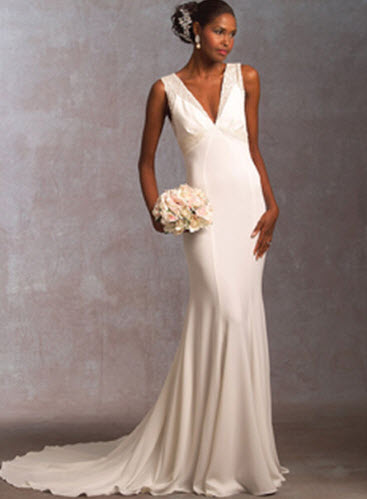
Creating wedding dresses through sewing is a complex and rewarding endeavor. It requires a high level of skill and attention to detail. Designing and sewing wedding dresses involves various steps, from pattern drafting to fabric selection and fitting. Here’s a general guide on how to approach making wedding dress sewing patterns:
Materials You Might Need:
- Pattern paper or large sheets of paper
- Pencil, eraser, and ruler
- Fabric for the dress (satin, silk, lace, etc.)
- Thread
- Sewing machine and hand-sewing needles
- Scissors
- Measuring tape
- Trims, beads, sequins, etc. for embellishments
- Boning, interfacing, and other structural materials
Steps:
- Design Your Dress: Sketch out your wedding dress design, considering the silhouette, neckline, sleeves, train, and any other design elements you want to include.
- Take Measurements: Accurate measurements are crucial. Measure your bust, waist, hips, and other relevant areas. If you’re making the dress for someone else, take their measurements as well.
- Draft the Pattern:
- Bodice: Start with the bodice pattern. Use the basic bodice block as a foundation, and modify it to match your design. Adjust darts, add princess seams, or create other shaping elements.
- Skirt: Decide on the type of skirt (A-line, ball gown, sheath, etc.). Draft the skirt pattern based on your measurements and design.
- Sleeves and Neckline: Draft sleeves and neckline patterns that match your design. Sleeve options could include cap sleeves, long sleeves, off-the-shoulder, etc.
- Mock-Up (Muslin Toile): Create a mock-up of the dress using inexpensive fabric like muslin. This allows you to test the fit and make necessary adjustments without using your actual wedding dress fabric.
- Fitting and Adjustments: Try on the muslin mock-up and make adjustments to the fit, shape, and proportions. Pin or mark the changes on the mock-up for reference.
- Finalizing the Pattern: Transfer the adjustments from the muslin mock-up to the pattern. Create the final pattern pieces with all the modifications.
- Fabric Selection: Choose your wedding dress fabric. Keep in mind that different fabrics have different drape and handling characteristics, which can affect the overall look of the dress.
- Cutting and Sewing:
- Cut the fabric according to your finalized pattern.
- Assemble the dress step by step, following the sewing instructions you’ve planned.
- Fittings: As you sew, periodically try on the dress to ensure it’s fitting as expected. Make any necessary adjustments along the way.
- Embellishments: Add any desired embellishments like lace, beads, sequins, or appliqués. This step requires careful attention to detail.
- Finishing Touches:
- Hem the dress to the desired length.
- Finish the edges with appropriate techniques (bias binding, serging, etc.).
- Add closures (zippers, buttons, etc.).
- Final Fitting and Alterations: After completing the dress, have a final fitting. Make any last-minute alterations to ensure a perfect fit.
- Pressing and Steaming: Press the dress carefully to remove wrinkles and create a polished appearance.
- Enjoy Your Dress: Once you’re satisfied with the fit and look of your handmade wedding dress, it’s ready to be worn on your special day.
Please note that creating a wedding dress is an advanced sewing project that requires significant skill and patience. If you’re new to sewing or lack experience with intricate garments, consider seeking help from a professional dressmaker or seamstress. Additionally, keep in mind that working with delicate fabrics and complex designs can be time-consuming, so be prepared for the process to take a considerable amount of time.