
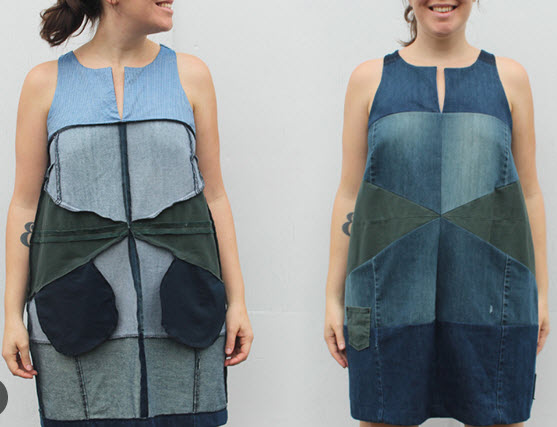
Zero waste sewing patterns are designed to minimize or completely eliminate fabric waste by utilizing all or nearly all of the fabric you have. They are an eco-friendly approach to sewing that aims to reduce the environmental impact of textile production. Here’s a basic concept of how to create zero waste sewing patterns:
1. Start with Simple Shapes: Begin with simple geometric shapes, such as rectangles, squares, triangles, and circles. These shapes can be arranged to form various garments or accessories without generating fabric waste.
2. Measure Your Fabric: Measure the fabric you have and determine the dimensions of your available fabric. This will help you design your pattern to maximize the use of your material.
3. Design Pattern Pieces: Create pattern pieces that fit within the dimensions of your available fabric. These pieces should use the fabric efficiently without any scraps left over. You may need to experiment with different shapes and arrangements to achieve this.
4. Avoid Darts and Curves: Zero waste patterns typically avoid complex garment features like darts and curves, which generate waste when you trim off excess fabric. Straight lines and simple shapes work best.
5. Think About Fabric Grain: Pay attention to the fabric’s grain when laying out your pattern pieces. Keep all pieces aligned with the grain to ensure the fabric drapes and stretches properly.
6. Consider Fabric Width: Make use of the fabric’s width when possible. For instance, if you’re working with a fabric that is 45 inches wide, design pattern pieces that are 45 inches wide or less to avoid waste.
7. Overlapping Pieces: Incorporate overlapping pieces where one piece’s excess fabric becomes another piece’s needed fabric. This helps to maximize material usage.
8. Fold and Reuse Scraps: If you do generate any small scraps, try to fold and incorporate them into your design as trim, bias binding, or other decorative elements.
9. Test and Refine: Test your pattern by creating a prototype to ensure that it works as intended. Adjust as needed to minimize any waste. Be prepared to make modifications during the sewing process to reduce scrap.
10. Sew Mindfully: When sewing, pay attention to reducing waste in your stitching. Use the most efficient sewing techniques and avoid overcutting your seams.
Zero waste sewing patterns require some creativity and experimentation, but they can be highly rewarding, both in terms of environmental impact and the challenge of working within constraints. There are also designers and resources available that specialize in zero waste sewing patterns, which can be a great way to get started if you’re new to the concept.