
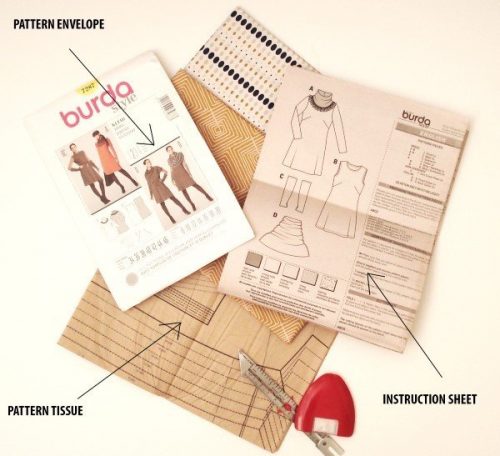
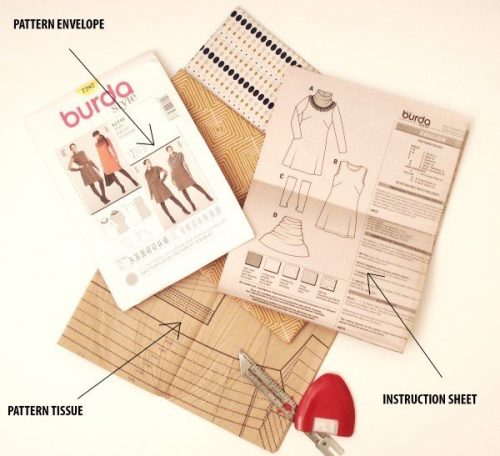
Pattern sewing involves using a sewing pattern as a guide to cut out fabric pieces and stitch them together to create a garment or other sewn item. Sewing patterns provide instructions, templates, and guidelines for constructing a specific design. Here are some general steps to follow when sewing with a pattern:
- Choose a pattern: Select a sewing pattern that matches the type of item you want to sew, such as a dress, shirt, skirt, or bag. Consider your skill level and the pattern’s size range, style, and instructions.
- Gather materials: Review the pattern envelope or instructions to determine the recommended fabric type, amount, and additional materials needed, such as zippers, buttons, or interfacing. Purchase the required materials and prepare them for sewing.
- Measure and cut the pattern: Take your measurements accurately and select the appropriate size from the pattern. Lay out the pattern pieces on the fabric, following the cutting layout guide in the instructions. Pin the pattern pieces to the fabric and cut them out, paying attention to any markings or notches.
- Transfer markings: Transfer any pattern markings, such as darts, pleats, or notches, onto the fabric using tailor’s chalk, fabric markers, or small snips. These markings will help align and assemble the fabric pieces correctly.
- Begin sewing: Follow the step-by-step instructions provided with the pattern. Start by pinning or basting fabric pieces together according to the pattern’s guidelines. Use a sewing machine or hand-sew, depending on the pattern and your preference, to stitch along the designated seam lines.
- Finishing details: Assemble the garment by following the pattern’s instructions for attaching sleeves, adding collars or cuffs, inserting zippers or buttons, and finishing hems. Make sure to press open seams and press fabric as you progress to achieve a professional finish.
- Fit and adjustments: Try on the garment as you sew, if possible, to check the fit. Make any necessary adjustments to ensure a comfortable and well-fitting finished piece. This may involve taking in or letting out seams, adjusting hem lengths, or modifying other areas as needed.
- Final touches: Once the construction is complete, trim any loose threads, press the finished garment, and make any final adjustments for a polished look. Follow the pattern’s instructions for any additional details, such as topstitching, embellishments, or closures.
Remember that sewing patterns can vary, so always refer to the specific instructions included with your chosen pattern for detailed guidance. Following the pattern’s instructions will help you achieve the desired result and enhance your sewing skills.