
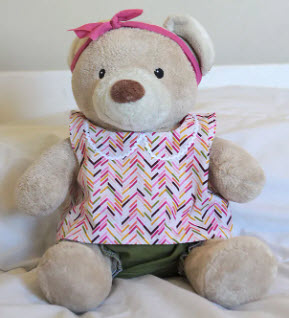
Creating sewing patterns for a Build-A-Bear-style stuffed animal involves several steps. While I can provide a basic outline, keep in mind that specific details may vary based on the size and features you want for your stuffed animal. Here’s a simple guide to help you get started:
Materials Needed:
- Fabric of your choice
- Sewing machine or hand-sewing supplies
- Thread
- Pins
- Scissors
- Stuffing material (polyfill)
- Safety eyes or buttons for eyes
- Embroidery floss or fabric paint for details
- Velcro or buttons for closures (optional)
Instructions:
1. Design your Bear:
- Draw a simple design for your bear on paper, including the body, head, arms, and legs. Consider the size you want for your stuffed animal.
2. Create the Pattern:
- Transfer your design onto pattern paper or cardboard. Include seam allowances (usually 1/4 to 1/2 inch) around each piece.
- Make sure to create separate pieces for the front and back of the body, head, arms, and legs.
3. Cut Fabric:
- Use your pattern to cut the pieces from your chosen fabric. You’ll need two pieces for each part (front and back), except for the arms and legs, which you’ll need four pieces each.
4. Sew the Body:
- Place the front and back body pieces right sides together and sew along the edges, leaving an opening for stuffing.
- Repeat the process for the head, arms, and legs.
5. Attach Limbs:
- Attach the arms and legs to the body by sewing them in place. Make sure they are securely attached.
6. Add Facial Features:
- Attach safety eyes or sew buttons for eyes. Use embroidery floss or fabric paint to add a nose and mouth.
7. Stuffing:
- Turn your bear right side out and stuff it with polyfill. Make sure to distribute the stuffing evenly.
8. Close Openings:
- Sew the openings shut using a ladder stitch or another invisible stitch.
9. Final Touches:
- Add any additional features, like ears or a tail, if desired.
10. Personalize:
- Customize your bear with clothing, accessories, or additional embellishments.
Remember to adapt the pattern based on your preferences and experiment with different fabrics, colors, and sizes. Additionally, you may find online resources or tutorials that offer more specific guidance and tips for creating teddy bear patterns.