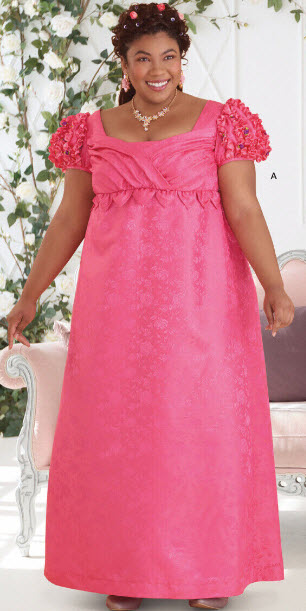
Creating a Regency-era sewing pattern involves a few steps, and the specific details will depend on the type of garment you want to make (e.g., dress, bonnet, or pelisse). For the purpose of this example, let's consider a simple Regency-era empire-waist dress. Here's a basic outline to get you started:
Materials Needed:
- Lightweight cotton or muslin fabric for the mock-up
- Fashion fabric of your choice
- Matching thread
- Scissors
- Measuring tape
- Sewing machine or needle for hand-sewing
- Regency fashion references or patterns for guidance
Instructions:
- Take Measurements:
- Measure your bust, underbust, waist, hips, and desired dress length. Regency dresses often have a high empire waistline.
- Create a Mock-up:
- Use muslin or any inexpensive fabric to create a mock-up of the dress. This allows you to adjust the fit before cutting into your fashion fabric.
- Draft the Bodice Pattern:
- Start with a basic bodice pattern. For the Regency era, the bodice is typically high-waisted and has a simple, close fit. Consider a bodice with darts for shaping.
- Add Empire Waistline:
- Raise the waistline to just below the bust for that distinctive Regency look. Adjust the darts accordingly.
- Draft the Skirt Pattern:
- Decide on the skirt silhouette (e.g., A-line) and draft a pattern piece for the skirt. Regency skirts are often high-waisted and may have some gathers or pleats.
- Cutting the Fabric:
- Transfer your finalized patterns to the fashion fabric and cut out the pieces. Remember to account for seam allowances.
- Assemble the Bodice:
- Sew the bodice pieces together, adding any closures (e.g., buttons or hooks) at the back. Attach sleeves if desired.
- Attach the Skirt:
- Sew the skirt pieces together and attach them to the bodice, making sure to align the side seams.
- Finishing Touches:
- Hem the skirt and sleeves. You may want to add additional details like lace or ribbon trim, which were popular during the Regency era.
- Try On and Adjust:
- Try on the dress and make any necessary adjustments for fit and comfort.
- Create a Bonnet or Accessories (Optional):
- If you're interested in a complete Regency look, consider making or acquiring accessories like a bonnet, gloves, or a reticule.
Remember, this is a basic guide, and you might want to consult specific Regency-era sewing patterns or historical fashion resources for more accurate details. Additionally, sewing terminology and techniques may vary, so having a sewing reference on hand can be helpful.