
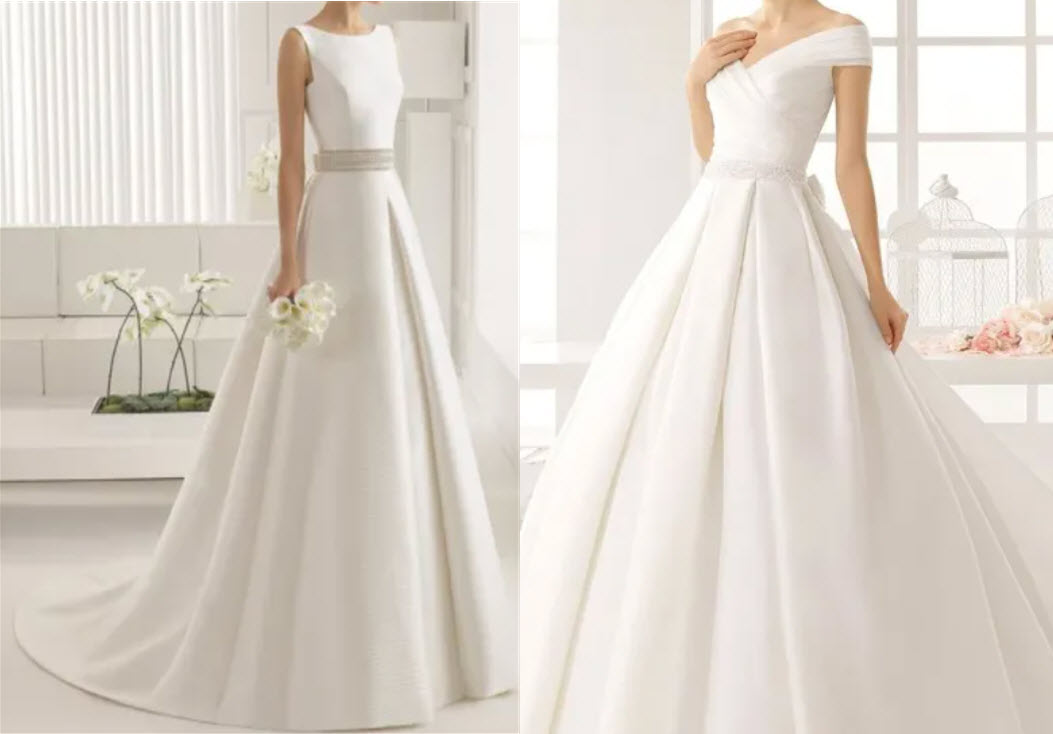
Creating your own wedding gown sewing pattern from scratch can be a highly complex and advanced sewing project, typically best suited for experienced pattern designers and seamstresses. Here’s a simplified outline of the steps involved in creating a custom wedding gown pattern:
- Design Your Gown: Start by sketching or visualizing the design of your wedding gown. Consider the style, silhouette, neckline, sleeves, train, and other design elements you want to incorporate.
- Take Accurate Measurements: Measure yourself or the person for whom you’re sewing the gown accurately. Ensure you have measurements for the bust, waist, hips, length from the waist to the floor, and other relevant measurements.
- Create a Basic Bodice Block: Draft a basic bodice block pattern based on the measurements. This will serve as the foundation for your gown pattern.
- Design and Create Pattern Pieces: Create pattern pieces for the bodice, skirt, sleeves, and any other components based on your design. Consider the use of darts, pleats, gathers, and other techniques to achieve the desired shape and fit.
- Construct a Muslin Prototype: Before cutting into your final fabric, make a muslin (a plain cotton or calico fabric) prototype of the gown to test the pattern’s fit and design. Make any necessary adjustments to the pattern.
- Cut Fabric: Once you’re satisfied with the muslin prototype, transfer the pattern to your chosen wedding gown fabric, taking great care in cutting the fabric precisely.
- Sew and Assemble: Sew the gown, following the steps you’ve planned out in your pattern, including any special features like lace, beading, or embroidery.
- Fitting and Adjustments: As you sew, periodically fit the gown on the person who will wear it to ensure it’s taking shape as intended. Make any necessary adjustments.
- Finishing Details: Complete the finishing touches, which may include hemming, adding closures (such as zippers or buttons), and embellishing the gown.
- Final Fitting: Schedule a final fitting to make any last-minute alterations and ensure the gown fits perfectly.
Remember, creating a custom wedding gown pattern is a challenging project, and it’s often recommended to have experience in pattern-making and advanced sewing skills. Additionally, consider seeking the help of a professional if you’re not confident in your pattern-making abilities or if you want a flawless result for your special day.