
Creating sewing books with patterns can be a fulfilling project, whether for personal use or publication. Here’s a step-by-step guide to help you get started:
- Choose Your Sewing Projects: Decide on the types of projects you want to include in your book. Consider the skill level of your audience and include a variety of projects ranging from beginner to advanced. Common projects may include clothing (dresses, skirts, tops), accessories (bags, hats, scarves), home decor (pillows, curtains, table runners), and more.
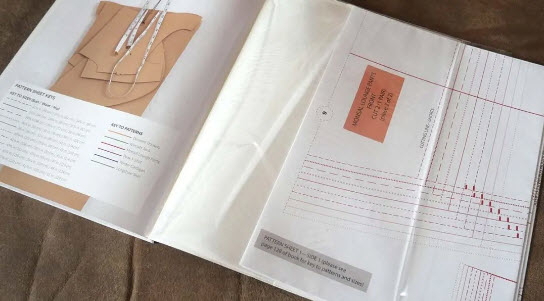
- Compile Patterns: Gather or create patterns for each project. Ensure that your patterns are clear, accurate, and easy to follow. You can either design your own patterns or obtain permission to use patterns created by others. Make sure to properly credit any patterns you didn’t create yourself.
- Write Detailed Instructions: Write detailed step-by-step instructions for each project. Break down each step into simple, easy-to-follow instructions, including necessary materials, cutting instructions, sewing techniques, and finishing touches. Include clear diagrams or illustrations to accompany the written instructions, as visual aids can greatly enhance understanding.
- Organize Your Book: Decide on the organization of your book. You may want to categorize projects by type (e.g., clothing, accessories, home decor) or by skill level (e.g., beginner, intermediate, advanced). Make sure the layout is intuitive and easy to navigate, with clear headings and indexes for reference.
- Photography: Take high-quality photographs of each finished project. Photos should be clear, well-lit, and showcase important details of the finished product. Consider including photos of the sewing process as well, to visually guide readers through each step.
- Design and Layout: Design the layout of your book, incorporating text, illustrations, and photographs. Choose a cohesive design theme that reflects the style of your projects and appeals to your target audience. Ensure that the text is easy to read and that important information stands out.
- Review and Test: Review your instructions and patterns thoroughly to ensure accuracy and clarity. Test each pattern by sewing the project yourself, following your own instructions. This will help you identify any errors or areas where the instructions may be unclear.
- Get Feedback: Before finalizing your book, seek feedback from other sewers or professionals in the field. They can provide valuable insights and suggestions for improvement.
- Publish Your Book: Once you’re satisfied with your book, it’s time to publish! You can choose to self-publish through online platforms like Amazon Kindle Direct Publishing or work with a traditional publisher. Consider both print and digital formats to reach a wider audience.
- Promote Your Book: Promote your sewing book through social media, sewing forums, craft fairs, and other relevant channels. Create buzz around your book by sharing sneak peeks, behind-the-scenes photos, and testimonials from satisfied readers.
Remember to respect copyright laws when using patterns created by others, and always give credit where it’s due. With dedication and attention to detail, you can create a sewing book with patterns that inspires and empowers fellow sewers to unleash their creativity.