
Creating an indie sewing pattern involves several steps, from designing the garment to creating the actual pattern pieces. Here’s a simplified guide to help you get started:
Contents
Step 1: Conceptualize Your Design
- Inspiration: Look for inspiration from fashion trends, historical styles, or your own unique ideas.
- Sketch: Create a rough sketch of your design. Include details like neckline, sleeve style, length, and any other important features.
Step 2: Materials and Measurements
- Choose Fabrics: Decide on the type of fabric your design requires. Consider how the fabric will drape and its weight.
- Take Measurements: Accurate measurements are crucial for a well-fitting garment. Include bust, waist, hip, and any other relevant measurements.
Step 3: Drafting the Pattern
- Basic Blocks: Start with basic pattern blocks for the garment type you’re creating (e.g., bodice block, skirt block).
- Design Modifications: Use your sketch to make modifications to the basic blocks, creating the unique design elements you want.
- Add Seam Allowances: Don’t forget to add seam allowances to your pattern pieces.
Step 4: Create a Mock-Up
- Cut Fabric: Use muslin or a cheap fabric to create a mock-up of your design.
- Sew Together: Assemble the pieces to create a rough version of your garment.
- Fit and Adjust: Try on the mock-up and make any necessary adjustments to the fit or design.
Step 5: Finalize the Pattern
- Make Revisions: Based on the mock-up, revise your pattern pieces as needed.
- Labeling: Clearly label each pattern piece with information like grainline, notches, and size.
Step 6: Digitize the Pattern
- Trace and Scan: Trace your final pattern onto paper or use a computer-aided design (CAD) program. Scan the pattern if necessary.
- Digital Editing: Use graphic design software to refine and digitize your pattern. This step is crucial for creating a printable and shareable pattern.
Step 7: Test the Pattern
- Print a Test Copy: Print a test copy of your pattern to ensure that it’s the correct size and that all pieces align correctly.
- Sew Another Sample: Use the printed pattern to sew another sample garment and make sure it matches your expectations.
Step 8: Instructions and Packaging
- Create Instructions: Clearly write step-by-step instructions for assembling the garment.
- Packaging: Design an attractive packaging for your sewing pattern. Include a cover image, fabric recommendations, and any other relevant information.
Step 9: Marketing and Distribution
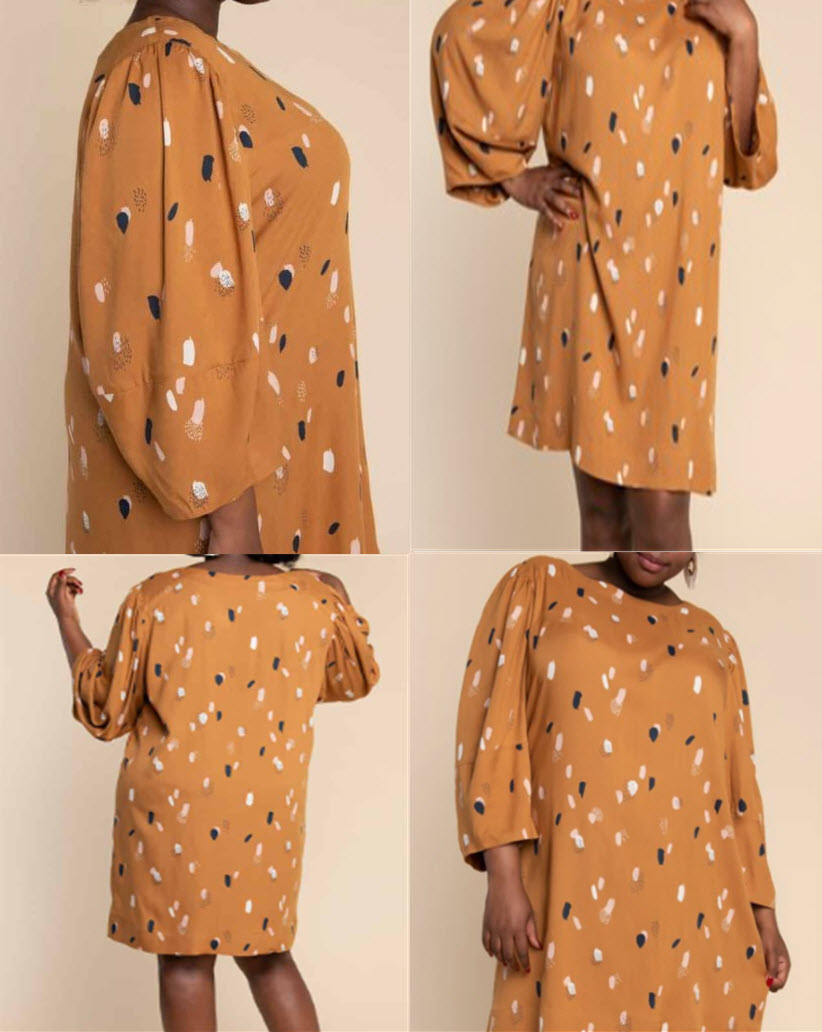
- Photography: Take high-quality photos of the finished garment for promotional materials.
- Online Presence: Create a website or use platforms like Etsy to sell your pattern.
- Marketing: Utilize social media and other marketing strategies to promote your indie sewing pattern.
Remember, creating sewing patterns requires practice and attention to detail. Be open to feedback and continuously improve your skills based on user experiences with your patterns.